Cyber Rock Font Review
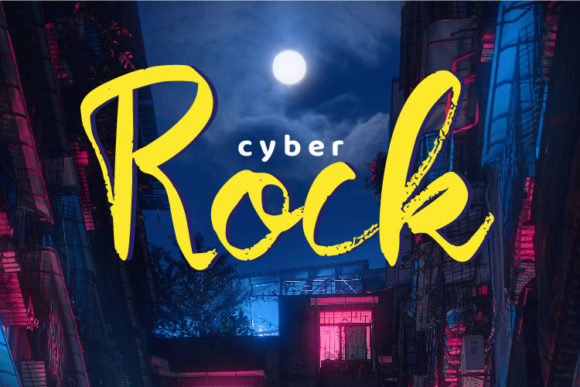
As a web designer, I often find myself searching for the perfect typeface to elevate a project’s visual identity. Cyber Rock has become one of my go-to choices for display typography, especially when I want to add a touch of whimsy and modern flair to a website. Its unique blend of brushed strokes and playful curves makes it ideal for headers, hero sections, and creative branding elements.
Cyber Rock in Web Layouts
I recently tested Cyber Rock on a boutique online store’s homepage. The font was used in the hero section, where it paired beautifully with a bold background image of handmade products. The result was a clean yet dynamic look that immediately caught the eye. It added a sense of elegance without overwhelming the design, making it perfect for a brand that wants to feel both modern and artisanal.
On mobile devices, Cyber Rock held up well, maintaining its clarity even at smaller sizes. I noticed that it worked best when used sparingly—like in headlines or call-to-action buttons—rather than as body text. The font’s intricate details can become hard to read if not properly scaled, so I recommend using it for short phrases and decorative accents rather than long paragraphs.
Designing with Cyber Rock
One of the things I love about Cyber Rock is how it brings a sense of personality to digital projects. Whether it's a portfolio site, a coaching landing page, or an online course sales page, the font adds a creative edge that feels fresh and approachable. It’s particularly effective when used in conjunction with a clean sans serif font for body copy, creating a balanced contrast between the decorative headline and the readable text below.
I also experimented with Cyber Rock on a blog header, where it served as the main title. The font’s fluidity complemented the site’s minimalist layout, giving it a handcrafted feel without being too ornate. It worked especially well over a textured background, where its subtle brushstrokes added depth and interest.
Responsive Design Considerations
When working on responsive layouts, I made sure to test Cyber Rock across different screen sizes. On desktop, it looked sharp and elegant, but on smaller screens, I had to adjust the font size to ensure readability. I found that keeping the font at 32px or larger on mobile devices helped maintain legibility while preserving its visual impact.
Another consideration is how Cyber Rock performs against dark or light backgrounds. On a dark background, the font stood out nicely, but on a very light one, it sometimes felt a bit washed out. I recommend using it with a subtle shadow or a slight color overlay to make it pop in these situations.
Font Pairing and Branding
Cyber Rock pairs exceptionally well with other fonts that offer a clear contrast. For example, pairing it with a simple sans serif like Lato or Montserrat creates a modern, professional look that’s easy on the eyes. If I’m designing a more editorial-style site, I might pair it with a serif font like Playfair Display to give the layout a more refined feel.
For brands looking to create a cohesive identity, Cyber Rock can be a great choice for logo design or heading text. Its whimsical nature makes it ideal for creative businesses, such as art studios, boutique shops, or lifestyle brands. However, I’d advise against using it for navigation menus or form labels, where clarity and functionality are key.
Practical Tips for Web Use
If you’re planning to use Cyber Rock on your website, make sure to check the available styles and weights. Some script fonts can be tricky to implement on the web, but Cyber Rock seems to handle different weights and alternates well. It’s also important to confirm that the font supports webfont formats like WOFF or WOFF2, which are essential for fast-loading sites.
Another thing to keep in mind is multilingual support. If your audience speaks multiple languages, verify that Cyber Rock includes all necessary characters and diacritics. This ensures that your site remains accessible and visually consistent across different regions.
Finally, always review the licensing terms before using Cyber Rock on a commercial website or client project. Most premium fonts allow for web use, but it’s always good to double-check the license agreement to avoid any legal issues down the line.